NASA
KerbNet Navigatorv3.14 · Kerbin
🔒kerbin://nasa.kerbin/
MSC● KSS
For Kerbalkind · Melody Space Center partnership · Charter KY-2018-A

NASA

National Aeronautics & Space Administration · Kerbin

Program authority · Era 3 recovery

We set the objectives. Contractors build the rockets. Kerbals ride them.

NASA oversees the Melody Space Center portfolio: station expansion on LSI 1, MunShot planning, deep-space relays, and the crew safety standards that became unavoidable after Basic Station. Fourteen kerbals have reached orbit; none have been lost. Three are aboard LSI 1 now, running the program's first sustained station science.

14
Kerbals to orbit
0
Crew lost
3
On LSI 1
4
Major contractors

Priority lines of effort

LSI 1 — station expansion

Replacement for decommissioned Basic Station. KerbalX delivered the core on Starship Heavy 4 with corrected docking interfaces. MSC-003 achieved the first successful MSC station docking; habitation, power, and KeedMartin's docking hub remain in build or review.

Science activeOpen module slots

MunShot

Phase 1 pairs KOEING's abort-equipped R-SLS2 against KerbalX's heavy-lift path—both may fly before a winner is named. Phase 2 remains locked until Phase 1 proves crew control beyond low Kerbin orbit.

MSC-MUN-1A planningOnboard crew control required

SOLARCOM — deep relay

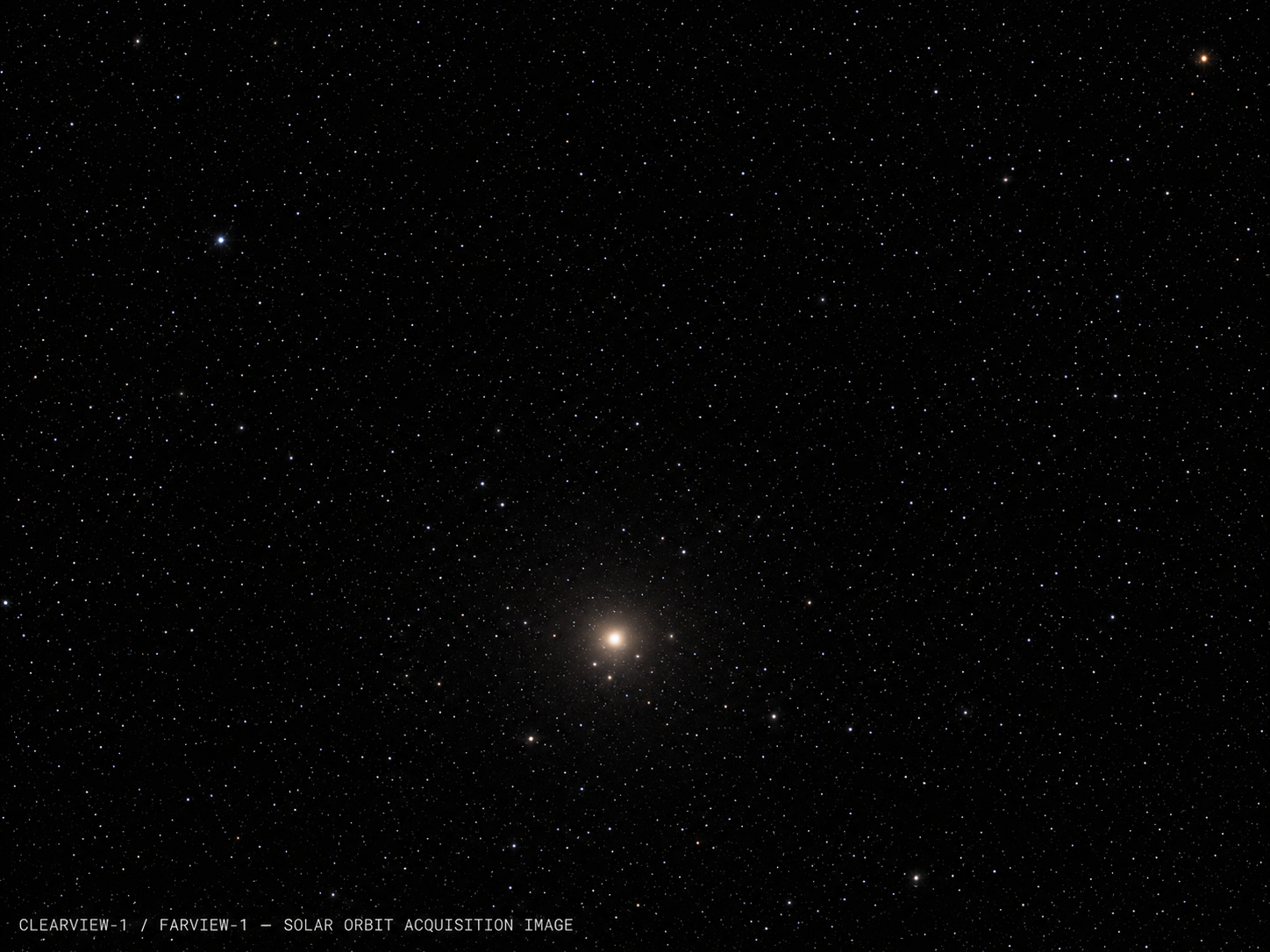
Twin relays sit at solar distances KerbalX delivered after winning the competition from KOEING's LLS-2. The network is operational; NASA treats the long-range mission design as need-to-know—fueling headlines and intercept math in the technical press.

Infrastructure completePurpose: classified narrative
“We are building infrastructure. What we build it for—that conversation is for another day.”— Administrator Wernhardt Clane, post-SOLARCOM 2

KERBCOM & the horizon

Equatorial and polar comsats underpin every crew loop today. Parallel to LSI and MunShot, the quietly watched long-range object remains unnamed—relays wait, three kerbals work upstairs, and the program's next chapter is still being written.

KERBCOM nominalEra 4: Duna → the object

Safety policy

Launch Abort System — program standard

MSC-002 proved R-SLS2 could bring a crew home through docking failure, EVA, and Mach 3+ reentry. NASA then mandated KOEING's tower-style Launch Abort System for all future crewed atmospheric operations—including MunShot contenders. It was the administration's clearest admission that “cheap enough” had previously omitted a last-resort escape path.

Post MSC-002KOEING baseline design

Leadership

Wernhardt Clane

NASA Administrator

Speaks for the agency when relays go live and when stations fail. After Basic Station, directed KerbalX to field LSI 1 with corrected specs; after MSC-003, credited flight ops with proving “no drama” is an operational goal, not an accident of mood.

Major contractors — oversight snapshot

KOEING

SLS family; first kerbals to orbit. R-SLS2 is the primary crew vehicle—two successful station missions, LAS-equipped, MunShot frontrunner.

KerbalX

SOLARCOM and LSI operator. SH-4 placed the new station; accountability review on Basic Station continues internally while expansion modules integrate.

KeedMartin

VAJE engines fly on SH-4; docking hub documentation is under NASA review before the hub can join the LSI stack.

Contract board — public summary

EffortLeadStatus
KERBCOM — Kerbin satellite networkKOEING · SLS 2Complete
KerbalOrbit — first crewed orbitalKOEING · SLS 3CComplete
SOLARCOM — deep relaysKerbalX · SH-3Complete
LSI 1 — station coreKerbalX · SH-4In orbit · crewed
MunShot Phase 1KOEING vs KerbalX · TBDPlanning
MarsproofKerbalX · SH-4 classPaused

Tracked assets (public)

KERBCOM E/W
NASA · KOEING SLS 2
Equatorial
KERBCOM N/S
NASA · KOEING SLS 2
Polar
SOLARCOM 1 & 2
NASA · KerbalX SH-3
Solar orbit · ~1 AU
LSI 1 Station
KerbalX · Science active · 3 crew
Docked: MSC-003

Headcanon note:This site exists inside the Kerbal Internet fiction. Names, contracts, and timelines align with the MSC universe bible (v8); SOLARCOM's unstated purpose, Katdorf Kerman's classified experiments, and the unnamed distant object are deliberate story hooks—not claims about real spaceflight.